What is a Venue Stylist?
Discover how venue stylists transform weddings, events and spaces, and why venue styling has become such a rewarding creative career for many people
If you’ve ever walked into a beautifully decorated wedding, party or event and wondered who created the atmosphere, transformed the space or brought all the details together, the answer was probably a Venue Stylist.
Venue styling is a creative and highly varied profession that combines design, organisation, practical implementation and problem-solving.
For many people, it also becomes something much more than a job. It becomes a rewarding business built around creativity, flexibility and helping people elevate milestone events.
What does a Venue Stylist do?
A Venue Stylist designs and installs decorative elements for events such as:
Weddings
Parties
Corporate events
Gala dinners
Award ceremonies
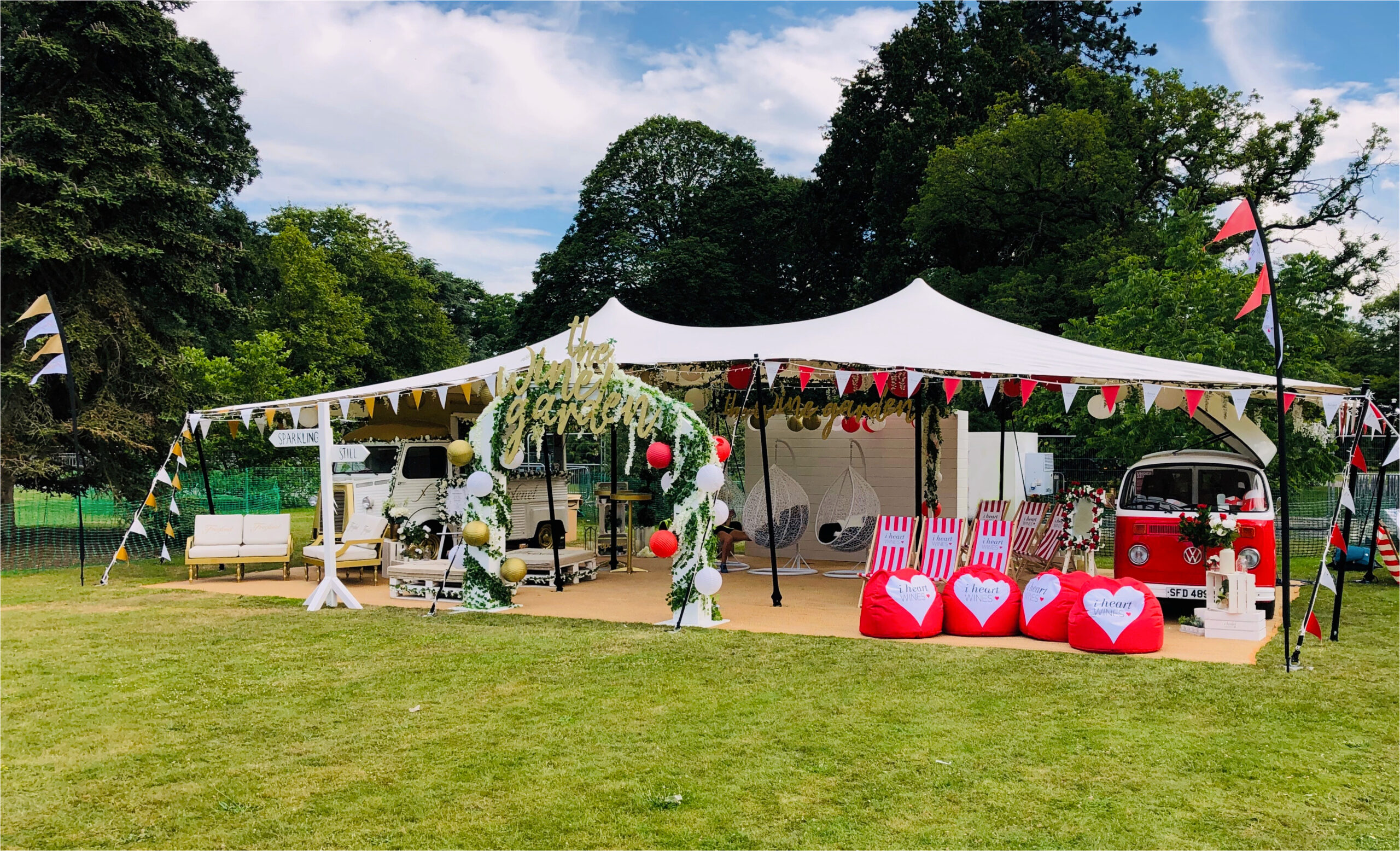
Seasonal installations
Promotional events
Luxury celebrations
Their role is to help transform a venue – in part or as a whole – into something visually impactful, cohesive and memorable.
Some Venue Stylists focus purely on décor, while others become involved in wider event design, planning and coordination
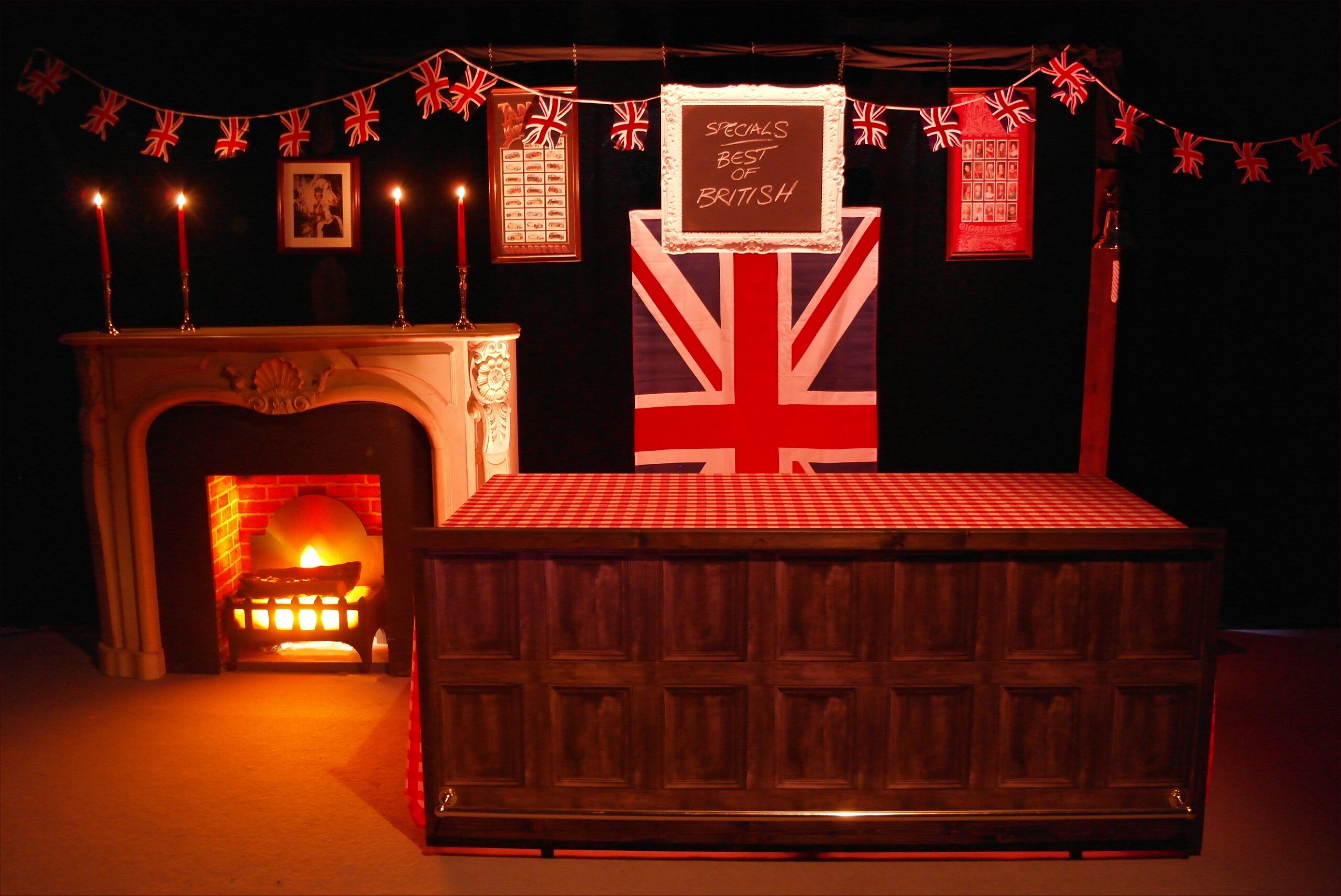
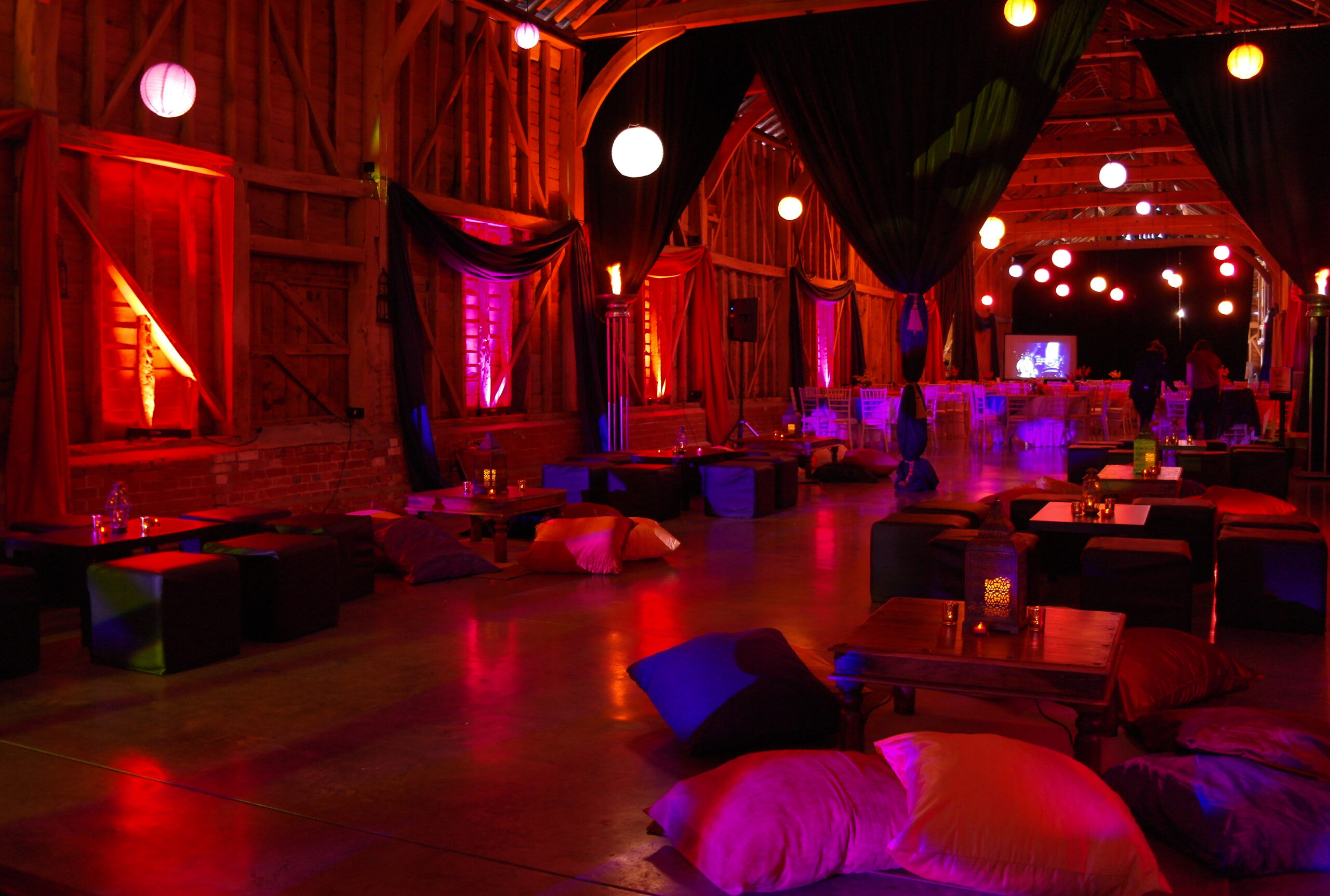
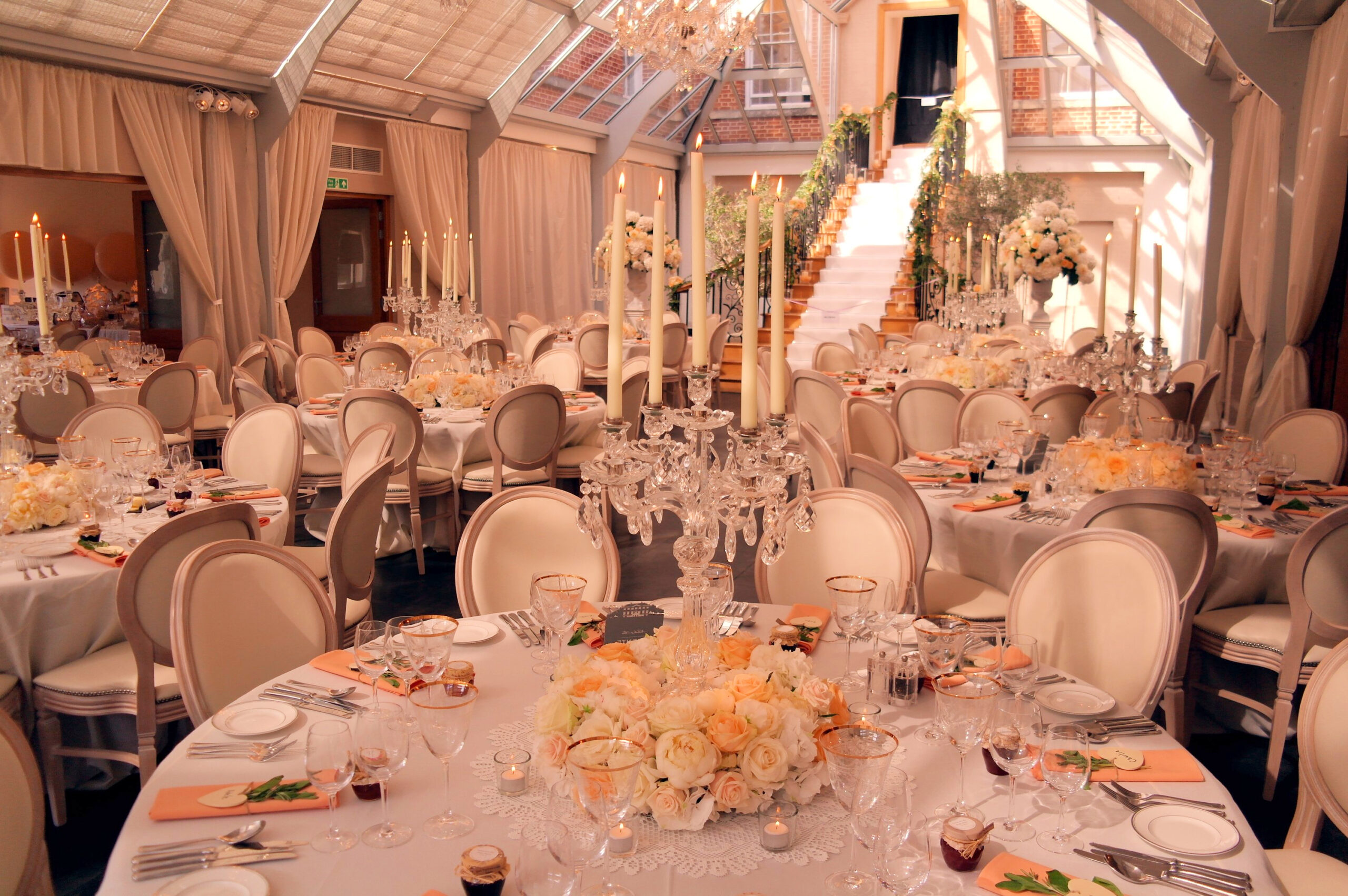
Venue Styling can include:
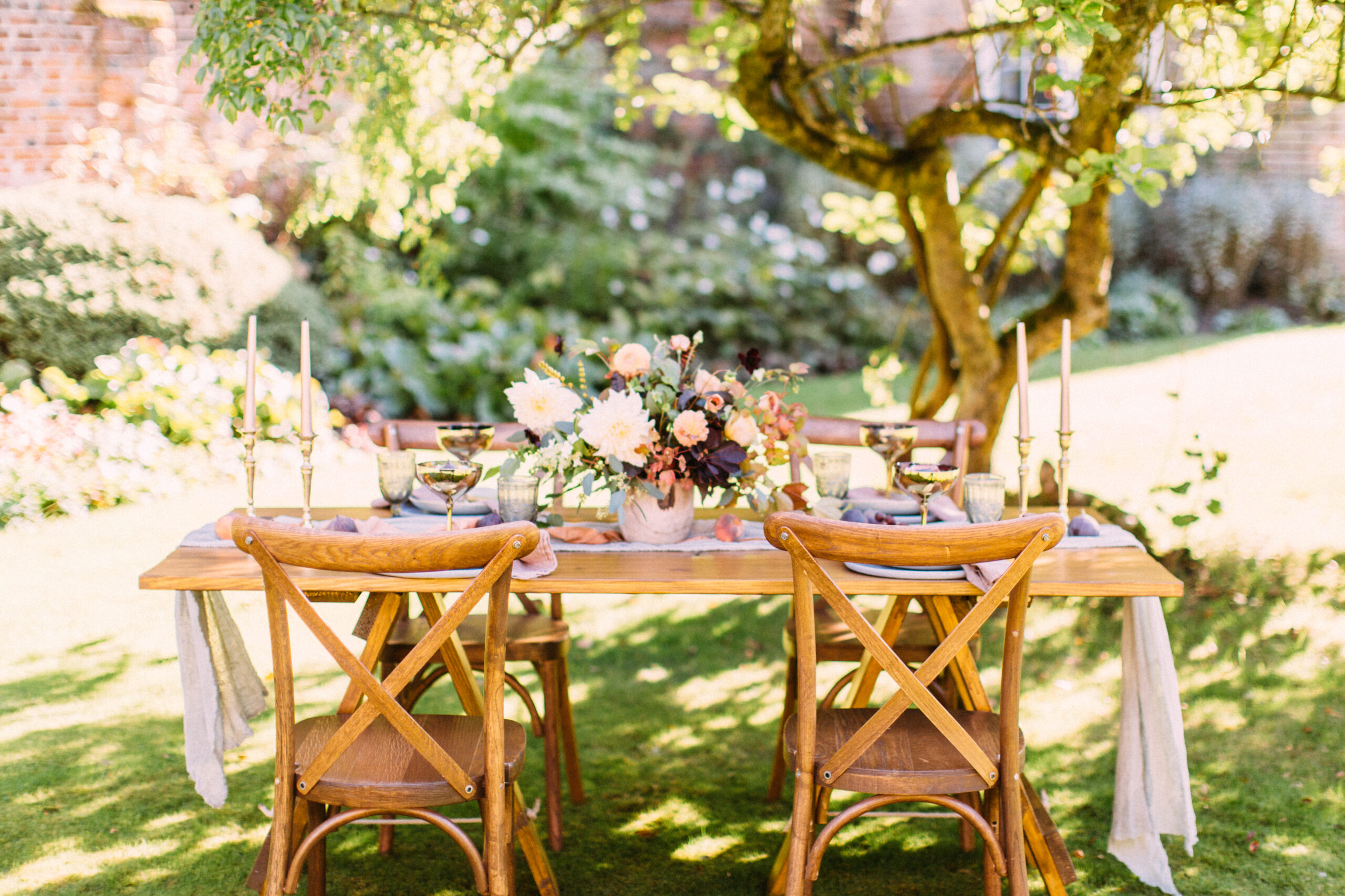
- Tablescapes & centrepieces
- Draping & backdrops
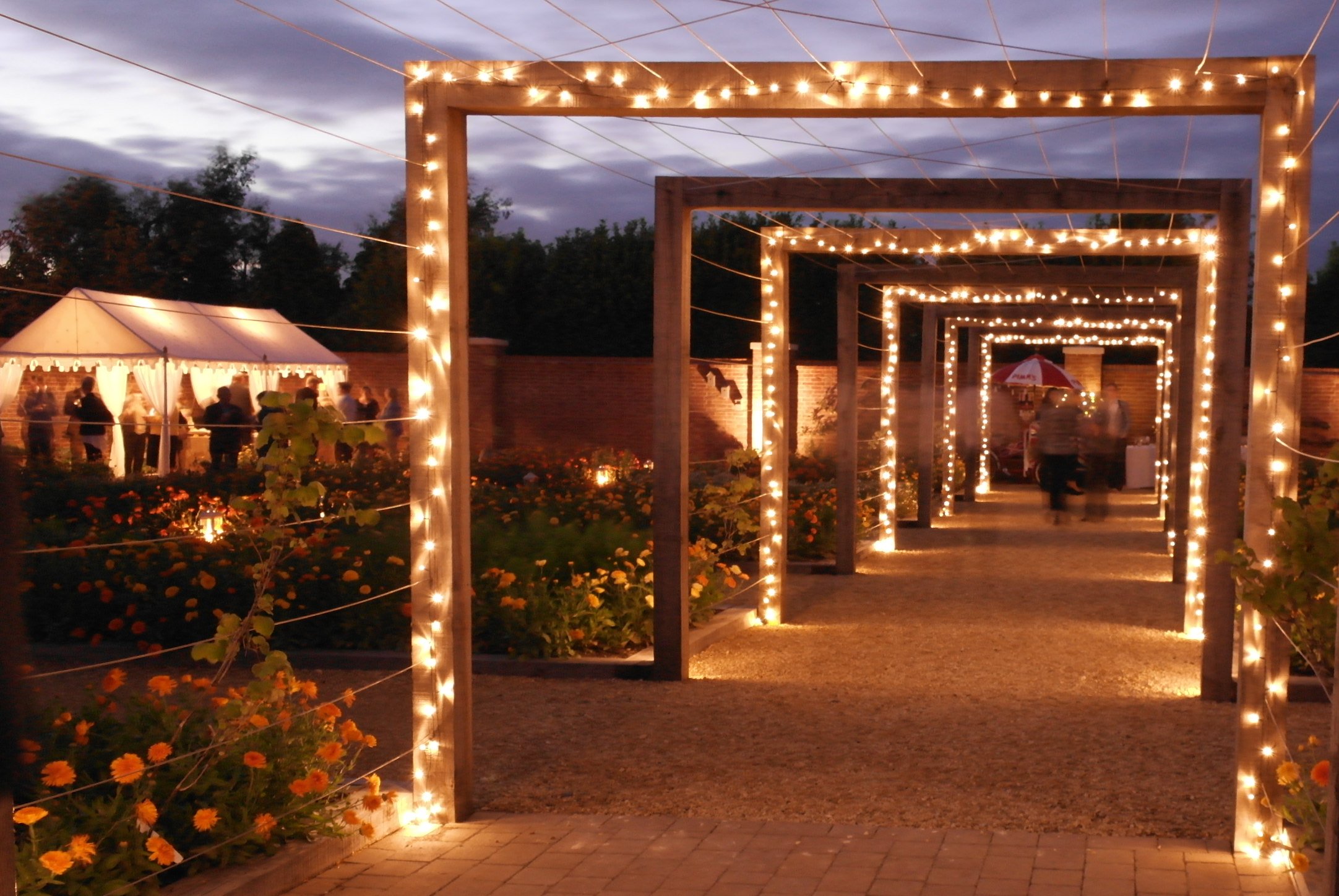
- Lighting installations
- Set pieces
- Chair styling & linens
- Themed styling concepts
- Venue layouts & visual flow
Every stylist develops their own approach, specialisms and style over time.
Venue Styling is about much more than decoration
One of the biggest misconceptions about Venue Styling is that it’s simply about transforming a space or making things look pretty.
In reality, professional Venue Styling also involves:
Planning and logistics
Time management
Working within venue restrictions
Understanding Health & Safety
Coordinating suppliers and installations
Problem-solving under pressure
Managing stock, transport and setup
Stylists often work within tight timeframes and live event environments, where organisation and professionalism are just as important as creativity.
This is one of the reasons Venue Styling can be such a rewarding career for people who enjoy both creative and practical work.
Different types of Venue Styling
Venue styling is an incredibly broad industry, and no two businesses look exactly the same.
Some stylists specialise in:
Weddings
Creating romantic, elegant or luxury wedding environments.
Parties & celebrations
Styling birthdays, baby naming ceremonies, anniversaries and other milestone events.
Corporate events
Transforming spaces for launches, awards ceremonies, hospitality events and conferences.
Luxury & bespoke events
Creating highly personalised and visually impactful installations.
Seasonal styling
Decorating venues and commercial spaces for Christmas, Halloween and themed events.
Event hire & prop styling
Providing stock, furniture and styling items for events and photo shoots.
Many Venue Stylists also work closely with planners, florists, venues, production teams, photographers and other event professionals.
Why are so many people drawn to Venue Styling?
For many people, Venue Styling offers something their previous career or job didn’t.
It combines:
Creativity
Flexibility
Variety
Human connection
Business ownership
Practical problem-solving
Many people entering the industry are:
- Looking for a more fulfilling career
- Wanting greater flexibility
- Seeking a creative outlet
- Exploring self-employment for the first time
- Building a side business around existing commitments
Others simply love weddings, events and beautiful spaces and want to turn that passion into something more meaningful!
Venue Styling can also appeal to people who enjoy:
Attention to detail
Creating experiences for others
Practical hands-on work
Working for themselves
or are looking for a new challenge in their life!
Could Venue Styling become a business for you?
For the right person, Venue Styling can absolutely become a successful and rewarding business.
However, like any business, it requires:
Commitment
Professionalism
Organisation
Practical knowledge
Realistic expectations
Many people are surprised by how much goes on behind the scenes of successful events.
Understanding venues, logistics, pricing, safety, client management and business systems is just as important as creativity.
That’s why learning from experienced professionals can make such a difference when starting out.
Interested in becoming a Venue Stylist?
If you’re curious about entering the industry yourself, our guide on How to become a Venue Stylist explains the first steps, the skills required and what’s involved in building a professional venue styling business.
You can also start with our free Venue Styling training designed specifically for beginners exploring the industry.